Foreign exchange is one of the largest and most liquid markets in the world, yet its settlement mechanics remain surprisingly dated. Trades execute instantly, but settlement still relies on fragmented systems, time zone gaps, and layered intermediaries. This mismatch has been accepted for decades as unavoidable complexity. That assumption is now being challenged.
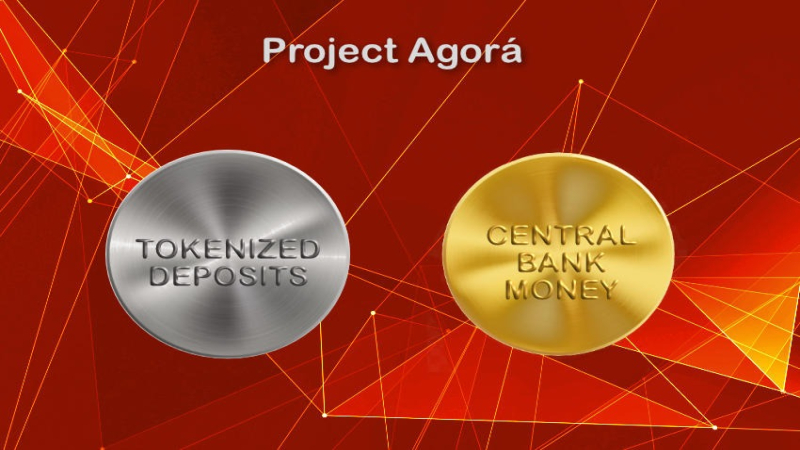
Unified ledger models highlighted through initiatives like Project Agora expose how outdated FX settlement really is. By bringing cash and assets onto a shared infrastructure, these systems compress settlement risk and reduce reliance on reconciliation. The result is not incremental improvement. It is a structural rethink of how FX actually settles.
Why Traditional FX Settlement Carries Hidden Risk
FX trades involve two legs settling in different currencies, often across different systems and time zones. This creates settlement risk, commonly known as principal risk. One party may deliver its currency while waiting hours for the other side to settle.
Existing mechanisms reduce but do not eliminate this risk. They add buffers, liquidity requirements, and operational complexity. The system works because participants accept these frictions as the cost of doing business.
Unified ledgers challenge this acceptance. They ask a simple question. Why should settlement depend on coordination between separate systems when a shared one could resolve both sides simultaneously.
What Unified Ledgers Actually Change
A unified ledger brings multiple forms of money and assets onto a single shared platform. Instead of linking separate systems, it creates one synchronized environment where transactions update all relevant balances at once.
In an FX context, this means both currency legs settle together or not at all. There is no waiting period and no exposure window. Settlement finality becomes atomic.
This changes how risk is managed. Liquidity does not need to be parked defensively. Capital becomes more efficient. Operational complexity declines because reconciliation disappears.
Why FX Looks Especially Old by Comparison
Other markets have gradually modernized settlement. Securities settlement cycles have shortened. Payment systems have become faster. FX stands out because its core structure remains unchanged.
Unified ledgers highlight this contrast. When currencies and assets coexist on the same infrastructure, the idea of staggered settlement feels outdated. The delay is no longer technical. It is architectural.
This does not mean current FX systems are broken. It means they were designed for a different era. Unified ledgers expose that gap clearly.
Trust Shifts From Process to System
Traditional FX settlement relies on trusted processes. Institutions trust that counterparties will deliver and that intermediaries will reconcile correctly. Risk is managed through buffers and oversight.
Unified ledgers shift trust into the system itself. Rules enforce simultaneous settlement automatically. Trust comes from design rather than process.
This reduces the need for manual intervention and post trade fixes. It also changes accountability. When settlement fails, the cause is visible and immediate rather than buried in layers.
Why Policymakers Are Paying Attention
For policymakers, FX settlement is a systemic concern. It links global liquidity, financial stability, and cross border flows. Any improvement that reduces risk without reducing market depth is attractive.
Unified ledgers offer that possibility. By resolving trades atomically, they reduce contagion risk during stress. They also improve transparency around flows and exposures.
This explains why interest focuses on wholesale markets rather than retail FX. The biggest benefits appear where volumes are large and timing mismatches matter most.
What This Means for Market Participants
For banks and large institutions, unified ledgers promise lower capital costs and simpler operations. Reduced settlement risk means less need for liquidity buffers.
For corporates and asset managers, faster and more reliable settlement improves cash management. It reduces uncertainty around when funds become usable.
For the FX market as a whole, the change is cultural. Participants move from managing settlement risk to designing it out.
Why Adoption Will Be Gradual
Despite the advantages, FX settlement will not change overnight. Legacy systems are deeply embedded. Global coordination is complex. Trust in new infrastructure must be earned.
Unified ledgers will likely coexist with traditional systems initially. Hybrid models will test whether promised efficiencies hold under real market conditions.
The shift will be evolutionary, not revolutionary. But once participants experience settlement without timing risk, expectations will change.
What to Watch Going Forward
The key signals will come from pilot programs and institutional adoption. Watch where FX settlement is paired with tokenized cash or central bank money.
Also watch how liquidity usage changes. Reduced need for buffers indicates real progress.
Finally, observe regulatory engagement. Support from authorities signals confidence that new wiring improves stability rather than threatens it.
Conclusion
Unified ledgers make traditional FX settlement look old because they remove the need for delayed, fragmented processes. By settling both sides of a trade simultaneously, they rewire trust and reduce risk at the system level. FX is not broken, but its future settlement model is clearly taking shape elsewhere.