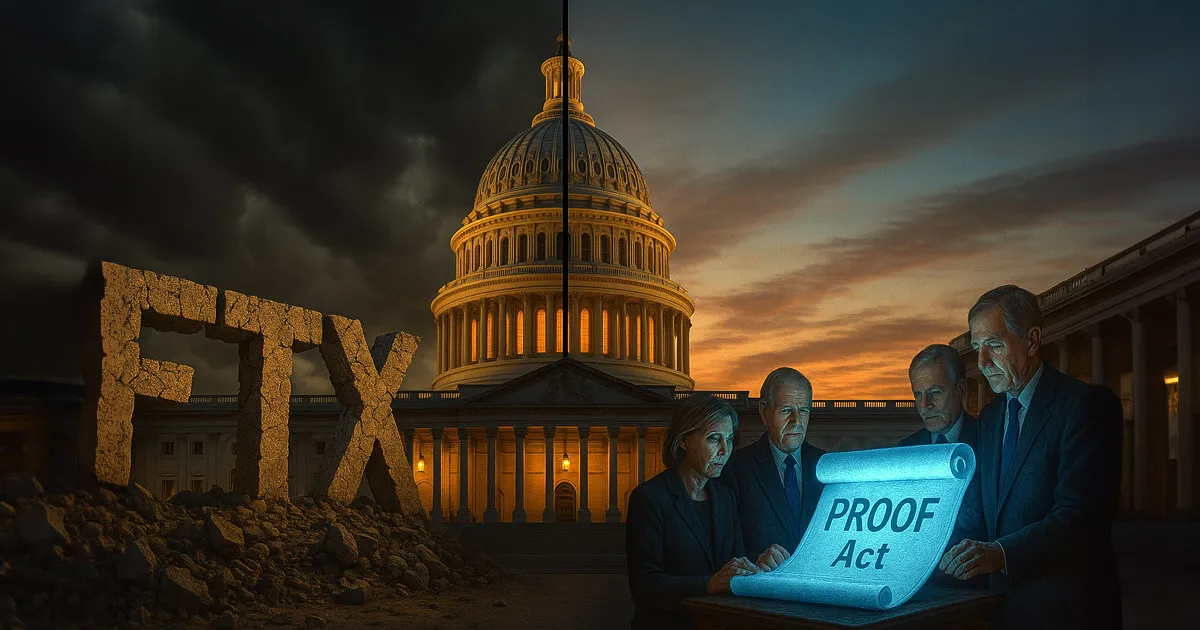
New frameworks demand transparency and stronger safeguards.
A Turning Point for Custody
Crypto custody services have become the backbone of digital asset markets. From exchanges holding user deposits to institutional-grade custodians safeguarding billions, custody solutions define the trustworthiness of the ecosystem. In 2025, regulators around the world are tightening rules on these services, demanding stricter transparency, accountability, and security. The push reflects growing concerns about systemic risks as crypto adoption expands.
Why Custody Rules Are Changing
The shift is driven by recent crises. Several custody providers faced scandals over mismanagement, with some failing to properly segregate user funds from company operations. Others suffered from hacks that drained millions of assets. These failures highlighted the fragility of systems entrusted with securing digital wealth. Regulators argue that without stronger rules, custody risks could undermine confidence in the broader financial system.
Retail Users Demand Protection
Retail investors are at the center of the debate. Many lost savings during custody-related failures, leading to growing calls for protection. On TikTok and Discord, retail communities demand proof-of-reserves and real-time transparency from platforms. Memes portray custodians as vaults that must be constantly audited to ensure safety. The cultural narrative frames tighter regulation not as a burden but as overdue accountability to protect everyday investors.
Whales and Institutions Welcome Oversight
Whales and institutions are cautiously supportive of stricter rules. Large investors prefer clear frameworks that guarantee asset safety and reduce counterparty risks. On-chain data shows whales increasingly moving assets to regulated custodians rather than self-custody or unverified providers. For institutions, strong regulatory oversight enables them to participate more confidently in crypto markets, aligning digital assets with traditional finance standards.
AI Dashboards Monitor Compliance
AI dashboards are helping track the impact of new rules. Push notifications now highlight custody audits, proof-of-reserve updates, and regulatory filings. Screenshots of these alerts spread widely across social media, reassuring retail traders that oversight is improving. For regulators, dashboards provide tools to analyze compliance in real time, signaling a future where technology complements legal frameworks.
Global Approaches to Custody Rules
Different regions are adopting different strategies. In the U.S., regulators are pushing for banks to oversee custody, integrating crypto into existing financial structures. In Europe, new directives require custodians to publish regular proof-of-reserve reports verified by independent auditors. In Asia, governments are experimenting with hybrid models that combine private custodians with central bank oversight. The diversity of approaches underscores how custody is becoming a central battleground in global crypto regulation.
Risks of Overregulation
While oversight is welcomed by many, analysts warn of risks. Excessive requirements could drive smaller custody providers out of business, reducing competition and innovation. Retail users might face higher fees as compliance costs rise. Some fear that strict centralization of custody could undermine crypto’s decentralized ethos. Balancing safety with openness remains a delicate challenge for policymakers.
Cultural Narratives Around Trust
Culturally, the debate around custody highlights evolving narratives of trust in crypto. Memes frame regulators as inspectors peeking into vaults, while retail communities debate whether self-custody or regulated custody is safer. For Gen Z investors, transparency and accountability resonate strongly, reinforcing the idea that crypto can only thrive if trust is earned and maintained.
Conclusion
Regulators tightening rules on crypto custody services marks a pivotal moment for digital finance in 2025. Retail users demand protection, whales and institutions support oversight, and AI dashboards amplify transparency. Global approaches vary, but the trend is clear: custody must evolve from opaque practices to trusted, accountable systems. Risks of overregulation remain, yet the cultural and financial momentum toward stronger safeguards is undeniable. Custody is no longer just a technical service. It is the cornerstone of trust in the future of crypto.
Author: Alexandra Chen | Macro & Markets Writer
Email: alexandra@cheenews.com