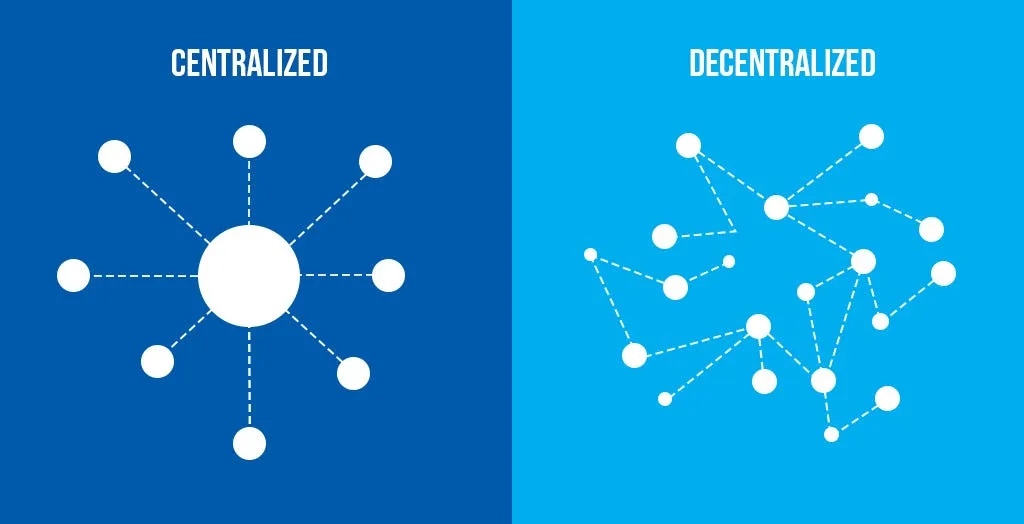
The global payments landscape is preparing for a major upgrade as SWIFT, the international network used by thousands of banks, explores a blockchain based layer to improve cross border transaction efficiency. This development signals a shift in how traditional financial infrastructure is adapting to new technology. For decades, SWIFT has relied on messaging rails that coordinate payment instructions between institutions. While effective, this system still depends on multiple intermediaries and settlement processes that can take days. The move toward blockchain reflects a broader industry effort to modernize global payments and address long standing friction.
Banks and financial institutions have been pushing for faster, more transparent payment systems as digital commerce expands. SWIFT’s decision to evaluate blockchain solutions shows that established networks recognize the need for more dynamic infrastructure. The organization has been testing various distributed ledger configurations to determine how they can support secure, traceable, and more synchronized payment operations. This shift comes as competition intensifies from private payment networks and digital asset platforms that offer faster settlement.
Why SWIFT Is Exploring Blockchain for Global Payments
The most important motivation behind SWIFT’s initiative is the need to shorten settlement times. Cross border payments often move through several correspondent banks before funds reach their final destination. This creates delays, increases costs, and introduces operational risk. Blockchain technology provides a shared infrastructure where transaction data can be processed more quickly and transparently. SWIFT sees potential in using this approach to strengthen its relevance in a market that is rapidly embracing digital innovation.
The move is not about transforming SWIFT into a crypto network. Instead, it focuses on enhancing the existing ecosystem. Blockchain can support synchronized messaging and settlement, reducing mismatches between payment instructions and actual fund transfers. This reduces the likelihood of failed transactions and improves the accuracy of payment tracking. The system could also help banks manage liquidity more efficiently by allowing them to see in real time when funds have been received or dispatched.
How the Blockchain Layer Might Function
SWIFT is working with institutions and technology partners to test blockchain based solutions that support multiple asset types. The goal is interoperability. Rather than building a separate platform, SWIFT aims to connect blockchain systems with traditional payment rails. This approach ensures that banks can adopt new technology at a pace aligned with their operational capabilities. Early experiments focus on how blockchain can support the exchange of standardized messages and documentation that accompany international payments.
In practice, the blockchain layer may serve as a verification and synchronization tool. Banks could use it to confirm settlement status, reduce reconciliation workloads, and enhance visibility throughout the payment chain. The shared ledger structure can help align records across institutions, reducing the gaps that often lead to delays. While the technology is still in testing, early results suggest that it can improve both speed and reliability without compromising compliance obligations.
Implications for Banks and Global Payment Flows
If SWIFT proceeds with a blockchain based enhancement, banks could benefit from faster and more predictable payments. This would support businesses that rely on timely settlement for trade and supply chain operations. Retail users may also experience more consistent payment tracking across borders. For banks, the reduced operational burden of reconciliation and error resolution could translate into lower costs and greater efficiency.
This shift could also influence how financial institutions integrate digital asset technologies. A blockchain enabled SWIFT network may make it easier for banks to interact with tokenized assets, digital currencies, or other blockchain based instruments in the future. By establishing a shared foundation now, SWIFT could help reduce fragmentation as digital finance grows. The organization’s involvement also signals confidence that distributed ledger technology can be used responsibly at global scale.
The Competitive Landscape and the Push for Modernization
SWIFT’s interest in blockchain comes at a time when other networks are offering alternatives for cross border transfers. Fintech firms and private payment providers are developing systems that bypass traditional rails entirely. These emerging platforms focus on instant settlement and often rely on digital asset technologies. SWIFT’s response shows that traditional networks are prepared to adapt to maintain their central role in global finance.
The broader trend reflects an industry wide push toward real time infrastructure. Central banks, commercial banks, and payment providers are all exploring how to streamline financial interactions in an increasingly digital economy. SWIFT’s involvement may accelerate adoption because it provides a path for coordinated implementation rather than fragmented innovation.
Conclusion
SWIFT’s decision to explore a blockchain layer represents a major step in modernizing global payments. By testing how distributed ledger technology can improve settlement speed and transparency, the organization is preparing its network for future demands. The initiative highlights how traditional financial infrastructure is evolving alongside digital innovation and signals a more connected era for international payments.