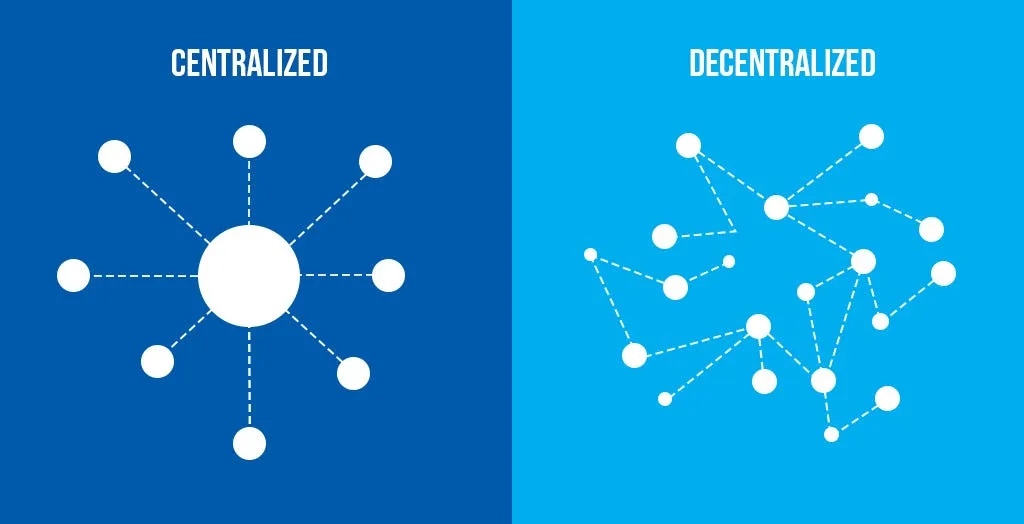
The push toward real time cross border payments is intensifying as merchants and technology teams face pressure to eliminate slow settlement cycles, high transfer costs and poor visibility across global rails. What once felt like a long term modernization plan has now turned into a race, with stablecoins, central bank digital currencies and full scale tokenization emerging as the clearest pathways toward instant global settlement. For many companies, legacy correspondent bank chains have become a bottleneck that no longer fits the pace of digital commerce, especially as customers expect checkout level confirmation speeds. This shift is creating a new wave of market signals, with AI driven payment trackers showing rising adoption of blockchain based rails for remittances and treasury flows. Whale watchers monitoring large stablecoin movements are also flagging corporate wallets experimenting with settlement trials, reinforcing the view that programmable, always on money is moving from niche to necessary as commerce becomes increasingly borderless.
The momentum behind this transition is being shaped heavily by the rise of programmable digital money. Stablecoins have become a standout option for cross border use because they settle in minutes and bypass several intermediaries, which helps reduce reconciliation issues and cuts integration complexity for engineering teams. At the same time, central banks are scaling CBDC pilots that bring sovereign guaranteed digital fiat to distributed ledgers, further accelerating the shift toward automated settlement channels. Large scale projects such as mBridge reaching working platform status and national pilots like the digital rupee and digital yuan reporting sharp increases in usage have turned CBDCs into a major market signal rather than a distant concept. Tokenized deposits and token wrapped assets are joining the mix as well, enabling payments and asset transfers to settle in the same environment without multi step processes. This alignment has attracted engineering teams aiming to reduce friction across financial, compliance and tax workflows using embedded logic within the payment itself.
As programmable value systems expand, tech leaders are being pushed to redesign their architectures around instant money movement, multijurisdiction rails and token aware financial logic. Traditional systems built around batch processing and delayed settlement are struggling to support flows where liquidity arrives in seconds rather than days. This shift is changing treasury models, reconciliation strategies and liquidity planning, while also altering the types of partnerships companies pursue. Firms that previously relied only on banks and payment processors are now engaging with distributed ledger technology platforms and specialized tokenization providers to prepare for automated, cross rail connectivity. Risk and compliance teams are adjusting to new operational and jurisdictional challenges as programmable settlement introduces novel counterparty considerations. With AI payment dashboards capturing these real time developments across multiple regions, the rapid rise of tokenized rails is emerging as one of the strongest indicators of where global payment infrastructure is heading next.