For years, the carry trade followed a familiar script. Investors borrowed in low yielding currencies and invested in higher yielding ones, capturing the spread as long as volatility stayed contained. When global rates were near zero, that strategy looked outdated, even obsolete. Many assumed tighter monetary policy marked the end of carry as a meaningful source of return.
That assumption turned out to be wrong. The carry trade did not disappear. It adapted. In today’s markets, carry still exists, but it operates through different currencies, instruments, and time horizons. Traders who expect the old playbook are missing how quietly and effectively carry has reemerged under a new mask.
The carry trade survived by moving beyond traditional currency pairs
The most important change in carry trading is where it happens. Instead of relying on classic funding currencies alone, carry has spread across a wider set of instruments. Short duration rates, emerging market debt, and even synthetic structures now play a role in capturing yield differentials.
Higher global rates actually revived carry by restoring meaningful spreads. What changed is the focus on stability. Traders are more selective about which currencies offer reliable carry without excessive drawdown risk. The emphasis is on persistence rather than headline yield.
This evolution also reflects policy divergence. While some central banks maintain restrictive stances, others are closer to easing. These differences create opportunities that resemble traditional carry, even if they do not look the same on the surface.
Volatility discipline replaced blind yield chasing
One lesson markets learned over the past decade is that carry only works when volatility is controlled. In earlier cycles, investors chased yield aggressively, assuming liquidity would absorb shocks. That approach proved costly when volatility returned.
Today’s carry strategies are built with tighter risk management. Positions are smaller, hedges are more common, and exit rules are clearer. Traders accept lower headline returns in exchange for durability.
This discipline changes behavior. Carry is treated as a steady contributor rather than a leveraged bet. When volatility rises, exposure is reduced instead of doubled down. This makes modern carry less visible but more resilient.
New currencies and instruments define modern carry
The carry trade’s new face includes a broader mix of currencies and structures. High yield emerging market currencies still play a role, but so do developed market spreads, short term rate differentials, and even cross asset funding strategies.
Some investors express carry through bond markets rather than spot FX. Others use currency hedged positions that isolate yield from directional risk. These approaches achieve the same objective as traditional carry while reducing vulnerability to sharp moves.
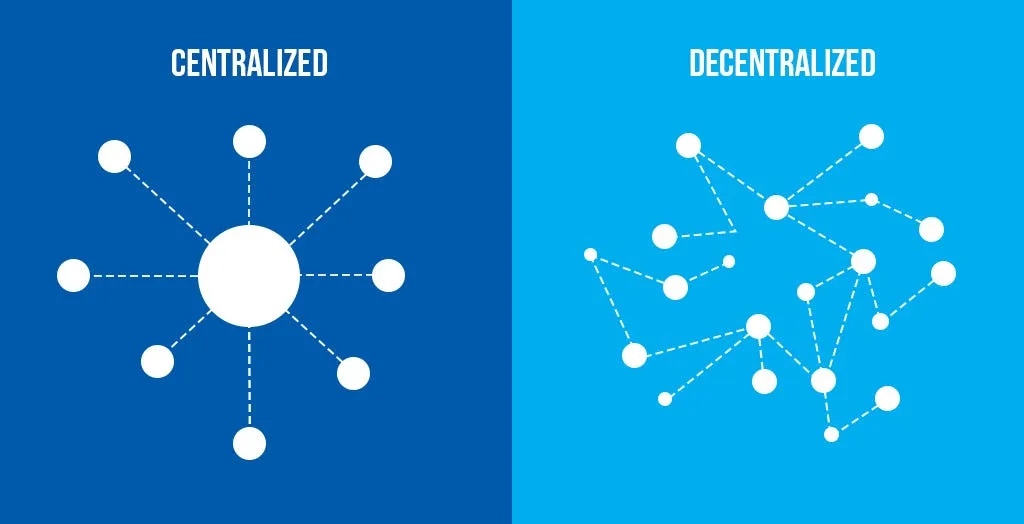
This diversification also spreads risk. Instead of relying on a single funding currency, traders build baskets that balance yield against macro exposure. The result is a carry profile that is harder to spot but harder to disrupt.
Why many traders think carry disappeared
Carry feels invisible because it no longer drives dramatic narratives. It does not produce sudden surges or collapse headlines. Instead, it compounds quietly in portfolios that value consistency over excitement.
Another reason is that higher rates changed expectations. When cash yields became attractive, some assumed carry lost relevance. In reality, higher rates increased the opportunity cost of idle capital, making structured yield strategies more appealing, not less.
Traders focused on short term price action often overlook carry because its impact unfolds over time. Those measuring performance over weeks rather than months may miss how much return comes from steady yield accumulation.
What carry means for markets in 2026
In 2026, carry is less about exploiting extremes and more about navigating balance. Markets are not offering free yield, but they are rewarding patience. Carry strategies that respect volatility and policy uncertainty can still deliver meaningful returns.
This environment favors experience over aggression. Understanding which yields are sustainable matters more than chasing the highest number on the screen. Carry becomes a tool for smoothing returns rather than amplifying them.
As long as global policy remains uneven and capital seeks efficiency, carry will remain part of the market structure. It simply operates with a quieter profile and a more sophisticated design.
Conclusion
The carry trade did not vanish when rates rose. It evolved. By shifting currencies, instruments, and risk frameworks, carry adapted to a more complex market environment. Traders who recognize this new form are capturing yield quietly while others assume the strategy no longer exists.