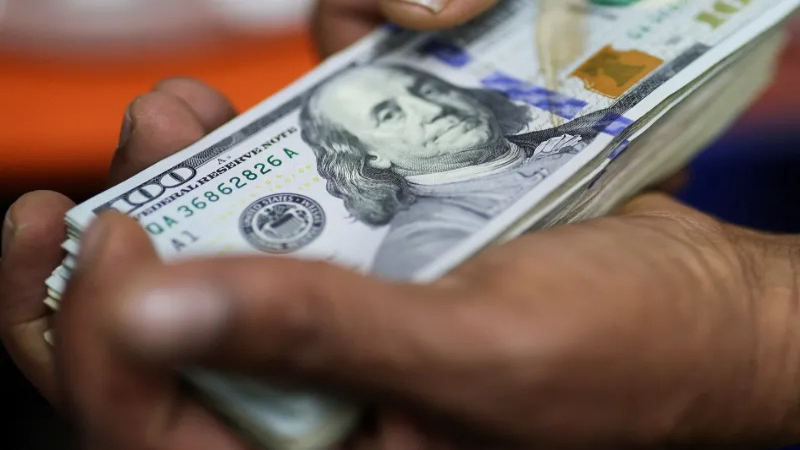
Throughout 2025, predictions of a dollar collapse appeared regularly across market commentary. From rising debt concerns to global diversification narratives, many expected a sharp reversal in dollar dominance. By year end, that collapse never arrived. The dollar remained stable, liquid, and widely used across global markets.
What changed was not the dollar’s strength, but its role. Instead of driving global market direction, the dollar became more reactive. It stopped leading risk sentiment and started responding to it. This distinction matters, because a currency can remain strong without dictating the flow of global capital.
Why the dollar lost leadership without losing relevance
The dollar’s leadership historically came from its ability to transmit global monetary conditions. When US policy tightened or eased, markets everywhere responded. In 2025, that transmission weakened. Policy expectations stabilized, and global markets began pricing local dynamics more independently.
This shift reduced the dollar’s directional influence. Currency markets no longer revolved solely around US decisions. Instead, regional growth, trade flows, and capital allocation played a larger role. The dollar remained central to settlement and reserves, but it no longer set the tone for every asset class.
Leadership faded without structural damage.
Stability replaced momentum
One reason the dollar stopped leading is that stability replaced momentum. Sharp moves create influence. Flat behavior does not. In 2025, the dollar traded within relatively controlled ranges as interest rate expectations plateaued.
This stability removed the dollar as a catalyst. Other assets moved based on earnings, technology cycles, or commodity demand rather than currency pressure. The absence of drama led some to mistake calm for weakness.
In reality, stable currencies often reflect balanced conditions rather than decline.
Global capital flows became more selective
Another factor was the changing nature of capital flows. Global investors became more selective, allocating capital based on sector and region rather than broad currency exposure. This reduced the dollar’s role as a universal risk gauge.
Funds moved into assets without necessarily making directional dollar bets. Hedging strategies grew more nuanced. As a result, dollar movements followed flows instead of driving them.
This marked a shift from earlier cycles where dollar strength or weakness dominated asset allocation decisions.
The dollar as infrastructure rather than signal
In 2025, the dollar increasingly functioned as infrastructure. It facilitated trade, settlement, and liquidity without drawing attention to itself. This is often the end state of mature dominance.
When a system works reliably, it fades into the background. The dollar’s continued use across global finance reflects trust, not fragility. Its reduced visibility as a market driver reflects normalization, not rejection.
Markets stopped reacting to the dollar because it stopped surprising them.
Why investors misread the change
Many investors equate leadership with strength. When the dollar stopped dominating headlines, narratives of decline filled the gap. This confusion stems from conflating volatility with importance.
A currency can lose influence over short term market moves while retaining long term structural power. The dollar’s reserve status, settlement role, and liquidity depth remained intact throughout 2025.
The mistake was expecting the dollar to behave like a speculative asset rather than a foundational one.
What this shift signals for 2026
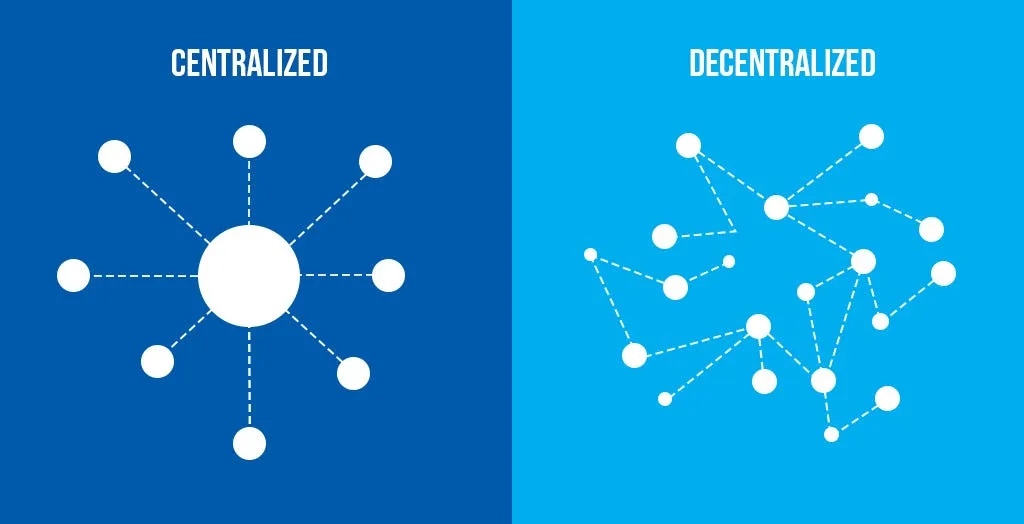
Looking ahead, the dollar’s quieter role may persist. As global markets fragment and regional dynamics matter more, leadership may rotate across assets and economies rather than center on one currency.
This does not imply a dollar crisis. It suggests a more balanced system where influence is shared. For traders and investors, this means fewer one directional currency trades and greater focus on relative value.
Understanding this transition is key to avoiding outdated assumptions.
Conclusion
The dollar did not collapse in 2025. It evolved. By shifting from market leader to stable backbone, it lost visibility but retained relevance. Investors who mistake quiet leadership for weakness risk misunderstanding how global finance now operates. Sometimes, the most powerful systems lead by staying steady rather than standing out.