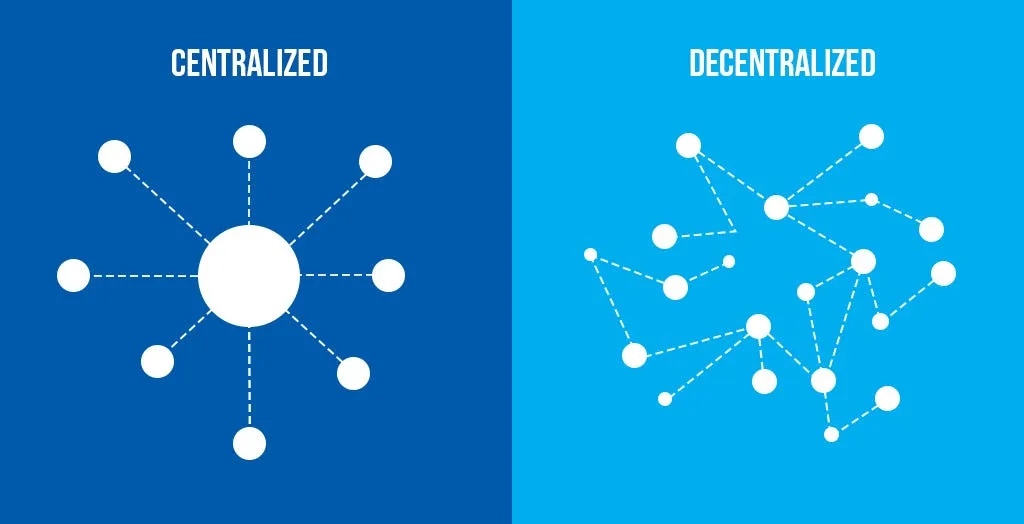
International payment corridors are undergoing a quiet transformation as tokenized trade flows expand across digital clearing networks. What once relied heavily on correspondent banking chains and multi-day settlement cycles is increasingly supported by programmable infrastructure designed for faster reconciliation and transparent accounting. Market participants tracking cross-border transaction data report steady growth in tokenized invoicing, digital escrow arrangements, and settlement activity routed through blockchain-based systems. The shift reflects broader modernization efforts within global trade, where efficiency and cost control have become central priorities.
Digital Clearing Infrastructure Reshapes Cross-Border Trade
Digital clearing layers are emerging as connective tissue between traditional finance and decentralized systems. By enabling programmable transfers and rule-based settlement logic, these networks reduce friction in international transactions. Exporters and importers benefit from near real-time confirmation of payment status, while financial intermediaries gain improved transparency into fund flows. Tokenized trade documentation further streamlines processes by embedding compliance and verification features directly within smart contracts. As adoption increases, digital clearing infrastructure is evolving from experimental pilots into operational trade rails.
Stable Settlement Assets Anchor Trade Flows
A key factor behind the growth in tokenized trade is the availability of stable digital settlement instruments. These assets provide predictable value transfer without the volatility risk associated with more speculative tokens. When used within trade corridors, stable settlement layers allow counterparties in different jurisdictions to transact with confidence. Liquidity providers supply depth to these corridors, ensuring that payments clear smoothly even during periods of market stress. This reliability strengthens the appeal of tokenized trade systems for businesses seeking operational continuity.
Institutional Adoption Signals Market Maturity
Financial institutions and multinational firms are increasingly exploring tokenized trade frameworks to enhance capital efficiency. Pilot programs involving digital letters of credit and automated invoice financing have demonstrated measurable reductions in processing time. Institutions evaluating these systems often emphasize governance transparency and reserve clarity in the underlying settlement layers. Faith-aligned financial bodies and impact-focused funds are also reviewing digital trade channels that integrate ethical oversight with accountable treasury management. Such engagement suggests that tokenized trade infrastructure is moving beyond early adopter communities.
Regulatory Dialogue Encourages Expansion
Regulatory authorities in several jurisdictions are acknowledging the role of digital settlement technology in cross-border commerce. Clearer guidelines around digital asset custody, reporting standards, and compliance verification are reducing uncertainty for businesses considering adoption. Tokenized trade systems that incorporate structured governance and transparent audit trails are better positioned to align with evolving policy frameworks. As regulatory dialogue progresses, collaboration between public agencies and private platforms is likely to accelerate further development.
Automation Enhances Efficiency and Transparency
One of the defining characteristics of tokenized trade flows is automated revenue distribution. Smart contract logic can allocate payments instantly among suppliers, logistics providers, and financing partners based on predefined conditions. This reduces administrative overhead and minimizes disputes related to payment timing. Digital clearing layers record each step of the transaction lifecycle, creating auditable histories accessible to authorized stakeholders. Enhanced transparency supports compliance while building trust between counterparties operating across borders.
Emerging Markets Benefit from Reduced Friction
For emerging economies, tokenized trade corridors offer an opportunity to bypass some inefficiencies embedded in legacy financial infrastructure. Small and medium enterprises gain improved access to global markets when settlement times shorten and fees decline. Stable digital rails reduce currency conversion friction and allow capital to circulate more efficiently. As liquidity deepens within these corridors, participation broadens, contributing to incremental growth in cross-border commerce.
Market Participants Track Structural Growth
Investors and analysts are paying closer attention to metrics beyond price volatility. Cross-border transaction volumes, settlement speed improvements, and liquidity depth provide clearer indicators of structural adoption. Steady expansion in tokenized trade flows signals that digital clearing layers are gaining operational credibility. Rather than reacting to short-term market cycles, businesses appear focused on long-term infrastructure benefits.
Conclusion
The rise in tokenized trade flows across global payment corridors reflects the maturation of digital clearing layers, where stable settlement assets, automated execution, and transparent governance are reshaping how international commerce is conducted.