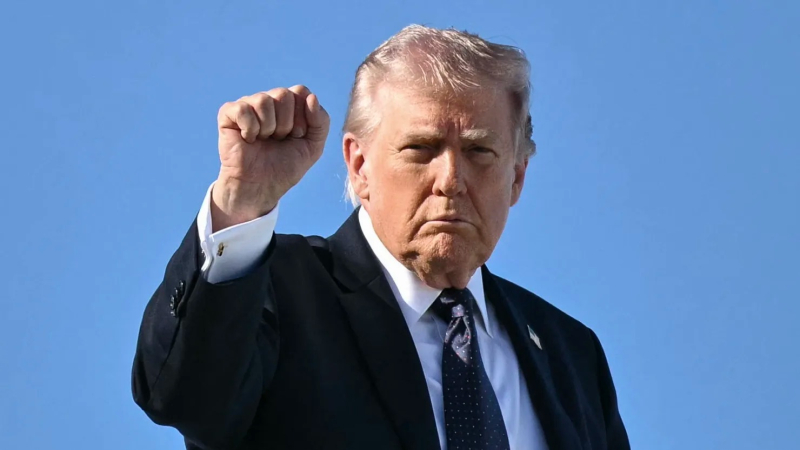
A growing policy dispute between cryptocurrency companies and major US banks over the future of stablecoin yields has intensified after President Donald Trump publicly supported the crypto industry’s position. The debate centers on whether digital asset firms should be allowed to offer interest like returns on stablecoin balances held by users.
In a recent public statement, Trump urged traditional financial institutions to reach an agreement with cryptocurrency firms, arguing that stablecoin innovation could benefit American consumers. The comments added new political momentum to an ongoing regulatory debate that has been unfolding in Washington as lawmakers consider legislation designed to create a formal framework for stablecoins.
The dispute has become a key point of contention surrounding proposed legislation that aims to establish regulatory clarity for digital dollar backed tokens. Lawmakers have been working on bills intended to define how stablecoins should be issued, regulated and integrated into the financial system. However, disagreement over whether stablecoin issuers can distribute yield to users has slowed progress in Congress.
Cryptocurrency companies argue that allowing yield on stablecoin balances would provide consumers with new opportunities to earn returns on idle funds. From their perspective, stablecoins represent a modern alternative to traditional savings products by enabling users to hold dollar linked digital assets that can move across blockchain networks while generating potential income.
Large banking institutions have pushed back strongly against the idea. Bank executives warn that yield bearing stablecoins could shift large volumes of deposits away from traditional financial institutions. Because deposits are a critical funding source for bank lending, some analysts believe widespread adoption of yield generating stablecoins could alter the structure of the US banking system.
Industry estimates cited by banking leaders suggest that trillions of dollars currently held in bank deposits could migrate into stablecoin based financial products if such offerings become widely available. Smaller regional banks could be particularly vulnerable if customers move savings into digital asset platforms that offer competitive returns.
The political debate has already begun influencing financial markets. Shares of major cryptocurrency firms reacted positively to the president’s comments, while some banking stocks experienced modest declines as investors weighed the potential impact of policy changes on the traditional financial sector.
Behind the policy debate is a broader transformation taking place across the financial industry. Stablecoins have rapidly become one of the most widely used digital financial instruments, serving as settlement tools for cryptocurrency markets and increasingly for cross border payments and digital commerce.
Regulators in the United States have been working to determine how these digital assets should be supervised within the existing financial framework. Policymakers face the challenge of encouraging innovation while also ensuring that new financial products do not introduce risks to the banking system or the broader economy.
In recent months government officials have held meetings with representatives from both the banking and cryptocurrency industries in an attempt to find a regulatory compromise. Discussions have focused on how stablecoin issuers could operate within a clear legal structure while maintaining consumer protections and financial stability safeguards.
As lawmakers continue evaluating the proposed legislation, the outcome of the debate could shape the future relationship between traditional banks and digital asset companies within the evolving financial ecosystem.