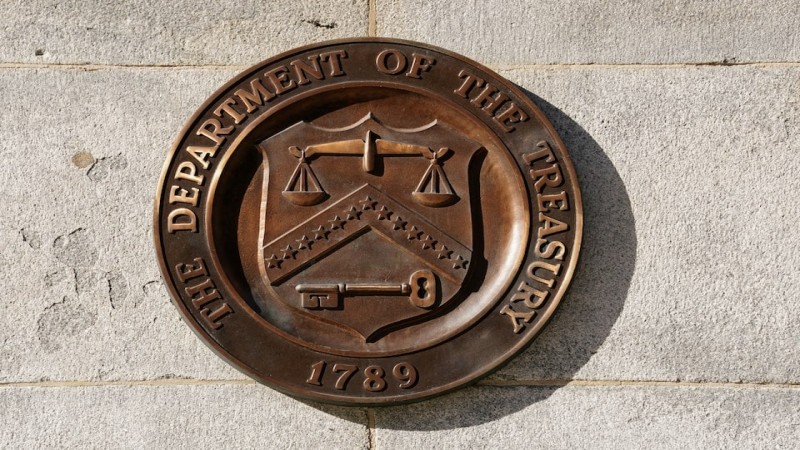
The United States has imposed new sanctions targeting companies and individuals accused of helping North Korea finance its weapons programs and evade existing trade restrictions. The move, detailed on the U.S. Treasury Department’s website, reflects Washington’s ongoing efforts to tighten control over illicit financial networks that undermine international sanctions frameworks.
According to the Treasury’s Office of Foreign Assets Control, the latest measures apply to a group of Chinese and Russian-based entities and several individuals accused of facilitating money transfers and material support for Pyongyang’s ballistic missile program. The sanctions freeze any U.S. assets linked to those named and prohibit American persons or companies from engaging in transactions with them.
Officials said the designations are part of a coordinated campaign to block access to global banking systems used to launder funds through front companies. The Treasury stated that these networks have been moving money and technology through third-party intermediaries in Asia to sustain North Korea’s weapons development in violation of United Nations resolutions.
Market analysts view the move as another step in Washington’s broader effort to protect the international financial system from misuse. The sanctions also serve as a reminder to global banks and investors about the need to maintain strict compliance with anti-money-laundering and counter-proliferation financing laws. Experts noted that large multinational banks could face added compliance costs as they review trade and remittance channels involving Asian intermediaries.
The new restrictions are unlikely to have a direct effect on global markets, but they reinforce U.S. policy linking national security enforcement with financial regulation. In recent years, similar actions have led to increased scrutiny of correspondent banking relationships and cryptocurrency transactions that might indirectly benefit sanctioned entities. The Treasury emphasized that these steps are necessary to preserve financial transparency and prevent the use of alternative assets to bypass restrictions.
Traders and risk managers are monitoring the situation for any impact on cross-border payment systems and trade flows in the region. The announcement comes amid heightened tensions over cyber activity and weapons testing by North Korea, factors that continue to influence regional risk sentiment.
The sanctions highlight Washington’s ongoing focus on illicit financial activity as a central element of its foreign policy, reinforcing how regulatory measures increasingly shape global market behavior.