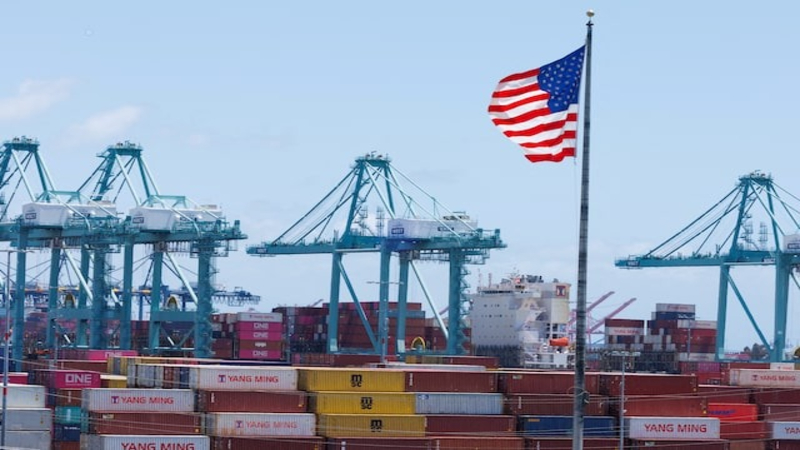
The U.S. trade deficit widened sharply in December as imports surged, highlighting persistent imbalances despite ongoing tariff policies. Data released by the Commerce Department showed the trade gap expanding 32.6 percent to 70.3 billion dollars, a five month high and well above market expectations.
Economists had forecast the deficit would narrow to around 55.5 billion dollars. Instead, the unexpected increase suggests that trade likely contributed little or nothing to overall economic growth in the fourth quarter.
Imports rose 3.6 percent to 357.6 billion dollars in December, driven largely by higher goods purchases. Goods imports climbed 3.8 percent to 280.2 billion dollars, with notable increases in industrial supplies and materials. Non monetary gold, copper and crude oil were among the leading contributors to the rise. Capital goods imports also advanced by 5.6 billion dollars, boosted by computer accessories and telecommunications equipment.
The increase in capital goods imports may reflect continued investment in infrastructure linked to artificial intelligence and data center construction. While a larger trade deficit can weigh on gross domestic product calculations, rising imports of capital equipment may support business investment and productivity growth over time.
Exports, by contrast, declined 2.9 percent in December, adding to the widening imbalance. For 2025 as a whole, the overall trade deficit narrowed slightly to 901.5 billion dollars, but the goods trade gap widened 2.1 percent to a record 1.24 trillion dollars.
The United States posted record goods trade deficits with countries including Mexico, Vietnam, Taiwan, Ireland, Thailand and India. The goods deficit with China fell to 202.1 billion dollars from 295.5 billion dollars the previous year, reflecting shifting trade patterns and tariff impacts.
President Donald Trump’s administration has maintained tariffs aimed at reducing trade imbalances and protecting domestic manufacturing. However, factory employment has declined by more than 80,000 jobs over the past year, raising questions about the broader effectiveness of those measures in revitalizing the sector.
Meanwhile, separate labor market data offered signs of resilience. Weekly initial jobless claims fell by 23,000 to 206,000, indicating that layoffs remain relatively low. Continuing claims rose modestly to 1.869 million, suggesting that while some workers are taking longer to find new employment, overall labor conditions remain stable.
The combination of a widening trade deficit and steady labor market underscores the complexity of the current economic landscape. While strong imports reflect healthy domestic demand and business investment, persistent trade gaps continue to pose structural challenges for policymakers seeking balanced growth.