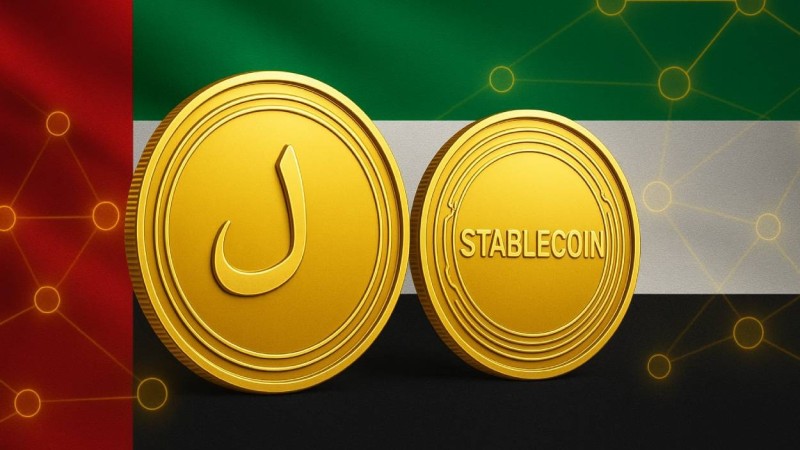
The UAE sent a clear message into today’s digital finance stream as its regulator approved the country’s first AED backed stablecoin, instantly putting the dirham on the map as a programmable currency for global transactions. The launch of Zand AED created a wave of interest across crypto desks because it merges something traders have been hunting for all year stability backed by a licensed institution with the real time speed of blockchain rails. Zand Bank’s structure for the token is built to feel more like institutional money than a risky experiment, relying on segregated AED reserves inside the traditional banking system and publishing ongoing attestations so users can verify what sits behind every token. For a region that has aggressively pushed digital innovation, this approval shows the UAE’s ambition to compete directly with markets shaping the next phase of regulated stablecoins. The narrative moved fast because this marks one of the clearest national currency entries into the open chain economy, giving developers and fintech platforms a stable building block for cross border payments and token transfers.
What captured the market’s attention was how the dirham is being carried into blockchain ecosystems without compromising regulatory trust. Zand AED was built to operate across multiple public networks, allowing it to move where liquidity lives instead of being trapped in a single technical environment. Its audited smart contracts give it transparency that traders often complain is missing in global stablecoin designs, and its structure under a Fitch rated parent bank signals that the country wants institutions to treat it as a serious settlement tool. The messaging from Zand’s leadership framed the token not as a local pilot but as a stepping stone to elevate the UAE in the race toward real world asset tokenization and programmable payments. With the global stablecoin market heading toward trillions, the region appears ready to compete by building regulated options that can plug directly into digital treasuries, ecommerce platforms and cross chain financial flows. The regional markets reacted quickly, seeing the token as a sign that the Gulf is positioning itself at the center of regulated digital liquidity.
Momentum built further when the broader utility of the token was highlighted as more than simple digital cash. Zand AED is structured as a foundational layer for smart contract powered settlements, enabling automated payments and blockchain based commerce to function with a currency that behaves like its fiat counterpart. For developers building stable rails for DeFi tools or fintech teams designing new payment architecture, the arrival of a regulated dirham token creates an entirely new corridor for innovation. Analysts noted that this approval could influence how other central banks evaluate national currency tokens, especially those debating whether public chain access can coexist with financial safeguards. The UAE appears to have taken the position that openness and regulation do not have to conflict if the reserve model is clear and attested in real time. The stablecoin’s launch landed as a calculated bet that programmable national currencies will define the next chapter of global digital finance, and today’s approval shows the country wants to lead that chapter.