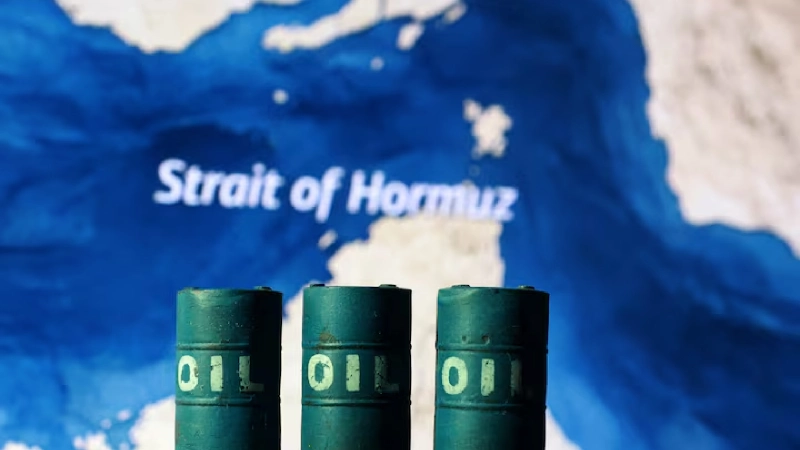
The United States is intensifying its monitoring of oil tanker movement through the Strait of Hormuz as tensions linked to Iran continue to threaten one of the world’s most critical energy routes. The narrow passage remains essential for global oil supply, and any disruption has immediate consequences for fuel prices and inflation expectations worldwide. With geopolitical uncertainty still elevated, markets are reacting to every update from Washington, as traders assess the likelihood of sustained supply constraints and their potential impact on global economic stability.
White House press secretary Karoline Leavitt said authorities are tracking tanker flows through the Strait very closely, highlighting the strategic importance of maintaining safe passage for energy shipments. However, she acknowledged that there is no specific timeline for when normal operations can fully resume, reflecting ongoing uncertainty around the security situation. The Strait handles a major share of global crude exports, making it highly sensitive to conflict related disruptions, and even minor interruptions can push oil prices higher and trigger broader market volatility.
The situation underscores how geopolitical risk is directly feeding into energy market instability, with investors increasingly pricing in the possibility of supply bottlenecks. Analysts note that disruptions near the Strait can quickly tighten global inventories, forcing buyers to seek alternative sources at higher costs. This dynamic feeds into inflation pressures, particularly in economies heavily reliant on imported energy, and complicates the policy outlook for central banks already dealing with fragile growth conditions and persistent price concerns.
Leavitt expressed confidence that fuel prices could ease over time, pointing to the administration’s focus on boosting domestic energy production as a buffer against global supply shocks. She suggested that once military operations stabilize and shipping routes are secured, consumers may begin to see relief at the pump. Still, the absence of a clear timeline has kept markets cautious, as traders remain focused on short term risks tied to the evolving conflict and its potential to escalate further.
The Strait of Hormuz has long been viewed as a critical chokepoint in the global energy system, connecting major oil producing nations in the Gulf to international markets. Its vulnerability during periods of conflict has historically led to sharp price movements, increased shipping costs, and heightened insurance premiums for tankers. These factors can quickly ripple through global supply chains, affecting industries ranging from transportation to manufacturing and ultimately impacting household energy costs.
Recent market behavior reflects this sensitivity, with oil prices fluctuating in response to headlines about tanker movement and regional stability. Equity markets have also shown signs of volatility as investors adjust exposure to sectors most affected by energy costs. Currency markets are shifting as well, with capital flows responding to changing risk perceptions and uncertainty around traditional safe haven dynamics in a prolonged geopolitical crisis.
As the situation develops, the ability to ensure safe and consistent tanker movement through the Strait will remain a key factor influencing global markets. While monitoring efforts continue, investors are likely to remain highly reactive to any updates regarding security conditions and shipping activity. The outcome will play a critical role in shaping near term oil prices, inflation trends, and overall financial market direction in the weeks ahead.