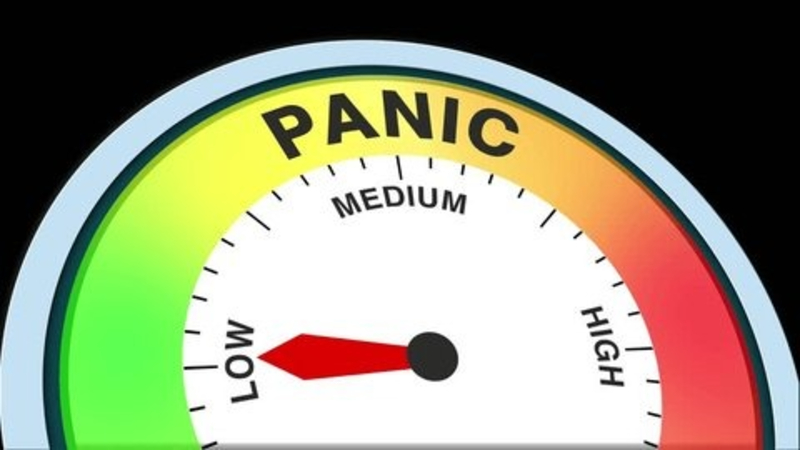
Market sentiment indicators have been stuck in fear mode for days, with traders bracing for another dip as liquidity stayed thin and price charts looked shaky. But overnight, something unusual happened. The weekly sentiment meter reversed direction with speed that felt almost theatrical. What started as a bleak outlook suddenly transformed into a wave of optimism as several key metrics blinked green at the same time. Mobile first traders woke up to dashboards that looked completely different from the night before.
Gen Z traders, who rely heavily on rapid mood indicators, were the first to amplify the shift. Group chats filled with quick takes and short clips analyzing the sudden flip. The move did not come from a single event but a combination of micro improvements across funding rates, order book depth and whale accumulation patterns. The switch from panic to power up created a burst of activity that made the markets feel alive again after a slow and cautious week.
Whale accumulation sparks an early confidence rebound
The strongest trigger for the sentiment reversal came from large holders who quietly started accumulating again. After days of reduced activity, several major wallets increased their positions in stablecoins and selective altcoins, signaling that they were preparing for potential upside instead of bracing for more downside. These moves stood out because whales typically act before retail sentiment catches on, and their renewed confidence often influences market psychology.
On chain trackers showed that accumulation was steady rather than aggressive. This allowed the market to shift smoothly instead of triggering sudden spikes. Traders interpreted this as a sign of strategic positioning rather than speculative frenzy. The calm but consistent action carried enough weight to help sentiment indicators tilt upward. By the time retail traders logged in, the charts already reflected the change, setting the tone for more active participation.
Futures markets show a sharp reset
Another contributor to the sentiment boost came from the derivatives market. Funding rates, which had been heavily negative, started climbing back toward neutral territory. This shift suggested that traders were no longer paying high premiums to short the market. A balanced funding environment usually reduces downward pressure and opens the door for fresh long positions.
Open interest also increased across several assets. Analysts pointed out that this rise showed a willingness to re engage rather than sit out in fear. When futures markets cool off after a heavy shorting cycle, spot markets often stabilize as well. The combined effect of these changes created a ripple that spread across sentiment indicators on multiple platforms.
Retail momentum picks up through social trading feeds
Retail traders joined the momentum once they saw the shift reflected in sentiment dashboards and social trading feeds. Mobile based platforms lit up with rapid threads explaining why the market mood had changed. Many traders who had been hesitant earlier in the week started placing small entries to test whether the trend could hold. This wave of participation added volume to the market and helped boost liquidity, reinforcing the upward sentiment.
Younger traders especially responded to the clean charts, steady order book activity and the return of moderate risk appetite. They emphasized short term strategies, focusing on small rotational plays rather than large directional bets. The language across social platforms reflected a shift from worry to curiosity as traders searched for opportunities instead of escape routes.
Macroeconomic calm adds subtle support
Even though global economic indicators did not deliver major surprises, the absence of new negative signals helped stabilize the environment. Some regions reported slightly improved liquidity metrics, and interest rate expectations remained unchanged. This lack of turbulence allowed crypto markets to breathe after a period of uncertainty. Traders often underestimate how much calm in traditional markets influences mood within digital assets.
Market observers noted that stability does not always generate excitement, but it provides a foundation for improved sentiment when other indicators start leaning positive. The combination of whale confidence, futures recalibration and retail re engagement worked in sync with macro stability to create a unified mood shift.
Conclusion
The weekly sentiment meter did not flip on a single headline but through a synchronized set of quiet improvements across whales, futures markets, retail activity and macro conditions. The move from panic to power up highlights how quickly markets can reset when multiple signals align. For traders watching closely, the overnight shift served as a reminder that sentiment is always one coordinated pulse away from changing direction.