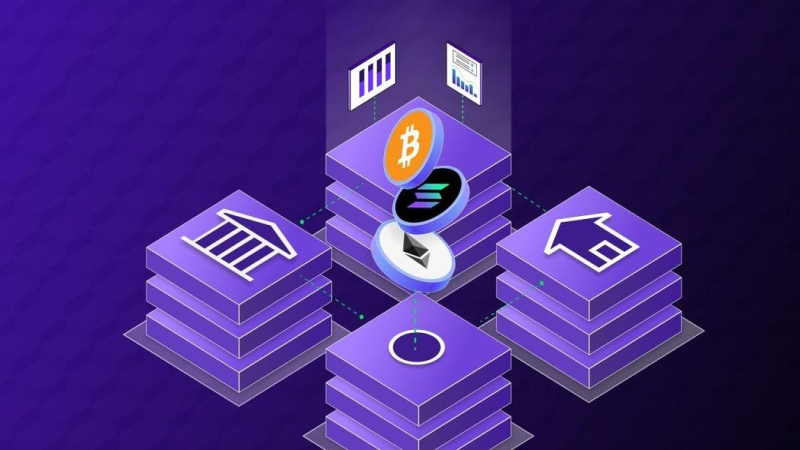
Tokenization is often described as a way to put assets on blockchains, but that description misses what institutions are actually building. The current wave of tokenization is not focused on redefining ownership or changing who holds assets. Instead, it is centered on how assets are used as collateral within financial systems.
This shift reflects practical priorities. Large financial institutions already have clear legal ownership frameworks. What slows markets is not who owns assets, but how efficiently those assets can be mobilized, pledged, transferred, and settled. Tokenization is being shaped to solve those operational frictions rather than rewrite property rights.
Collateral Mobility Is the Real Bottleneck in Modern Finance
The most important driver behind collateral focused tokenization is mobility. In traditional finance, high quality assets often sit idle because moving them is slow, complex, or operationally risky. Even when ownership is clear, using assets efficiently as collateral involves multiple intermediaries and delayed settlement.
Tokenization allows collateral to move faster without changing who owns it. A tokenized representation of an asset can be pledged, released, or reused programmatically while the underlying asset remains within established custody and legal structures.
Institutions care less about trading ownership and more about improving how collateral circulates. Faster collateral movement directly improves liquidity, risk management, and capital efficiency.
Ownership Is Already Solved, Efficiency Is Not
From an institutional perspective, ownership is not the problem tokenization needs to solve. Legal frameworks governing securities, funds, and real world assets are well established. Changing ownership structures would introduce regulatory complexity without delivering immediate benefits.
Efficiency, however, remains a challenge. Collateral management systems are fragmented, manual, and often operate on outdated technology. Tokenization offers a way to modernize these processes without disrupting existing legal foundations.
By focusing on collateral rather than ownership, tokenization can integrate with current systems instead of replacing them. This approach lowers adoption barriers and reduces regulatory friction.
Collateral Based Tokenization Aligns With Risk Management Needs
Risk management is central to institutional decision making. Collateral quality, availability, and speed of access determine how much risk firms can take. Tokenization enhances visibility and control over these variables.
Tokenized collateral can be monitored in real time. Haircuts, margin requirements, and eligibility rules can be enforced automatically. This reduces operational risk and improves confidence during periods of stress.
Ownership focused tokenization does not deliver these benefits as directly. Collateral focused design aligns better with how institutions actually manage risk day to day.
Settlement Speed Matters More Than Asset Representation
Markets increasingly operate at high speed. Delays in settlement create counterparty risk and limit flexibility. Tokenization improves settlement efficiency by allowing collateral transfers to finalize faster and with greater certainty.
This speed matters most in collateral use cases such as margin posting, liquidity provision, and short term financing. Ownership transfers are typically less time sensitive and occur less frequently.
By designing tokenization around collateral, developers address the areas where speed delivers the greatest systemic benefit.
Regulatory Comfort Shapes Design Choices
Regulatory acceptance plays a major role in shaping tokenization design. Regulators are cautious about changes to ownership and investor rights. Collateral use, however, fits more naturally within existing oversight frameworks.
Tokenized collateral can be structured to comply with current regulations while improving operational processes. This makes regulators more comfortable engaging with these systems.
Ownership focused tokenization often raises questions about custody, investor protection, and legal enforceability. Collateral focused approaches avoid many of these concerns.
Institutions Are Optimizing Balance Sheets, Not Redefining Markets
At its core, tokenization is being driven by balance sheet optimization. Institutions want to reduce trapped capital, improve liquidity access, and respond more quickly to market conditions.
Tokenized collateral helps achieve these goals. Assets can be reused more efficiently, pledged across platforms, and released quickly when conditions change.
Redefining ownership would require rewriting contracts, laws, and market conventions. Improving collateral efficiency delivers tangible benefits without that disruption.
Tokenization Evolves From Infrastructure, Not Ideology
The design of tokenization reflects infrastructure needs rather than philosophical goals. Institutions adopt technology that solves specific problems. Collateral management is one of the most complex and costly areas of finance.
By targeting this pain point, tokenization demonstrates immediate value. Ownership innovation may follow later, but it is not the priority today.
This pragmatic evolution explains why tokenization projects emphasize settlement layers, collateral registries, and interoperability rather than asset trading marketplaces.
Conclusion
Tokenization is being designed around collateral because that is where inefficiency, risk, and opportunity intersect. Ownership is already defined, but collateral mobility remains constrained. By improving how assets are pledged, settled, and reused, tokenization delivers real value without disrupting legal foundations. This focus reflects how institutions think about markets, not how technology enthusiasts imagine them. Collateral, not ownership, is where tokenization is reshaping finance first.