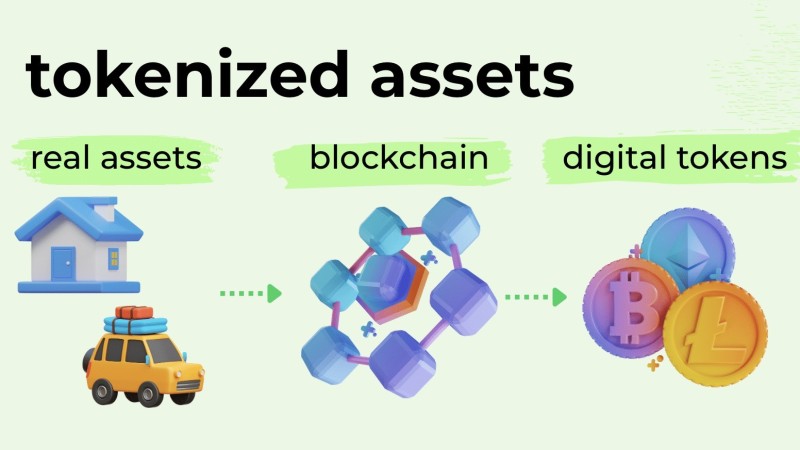
Tokenization has expanded rapidly across asset classes, yet one feature remains consistent across most implementations. Valuation continues to anchor around the US dollar. Despite advances in digital infrastructure, tokenized assets rely on the same monetary reference that underpins traditional finance. This pattern reflects practicality rather than resistance to change.
Dollar valuation provides clarity, liquidity, and comparability. As tokenized assets aim to integrate with existing financial systems, anchoring value to the dollar reduces friction. This alignment helps explain why tokenization is progressing steadily within institutional frameworks instead of disrupting them.
Dollar Valuation Provides Market Consistency
Valuation consistency is essential for adoption. Investors need reliable pricing benchmarks that translate across platforms and jurisdictions. The dollar fulfills this role better than any alternative due to its global acceptance and deep liquidity.
Tokenized assets such as funds, bonds, and real world instruments often operate within regulated environments. Dollar valuation simplifies accounting, risk management, and reporting. It allows tokenized instruments to interact seamlessly with traditional portfolios.
This consistency encourages participation. It lowers the learning curve and reduces operational uncertainty, making tokenized assets more accessible to institutional capital.
Why Liquidity Favors Dollar Anchored Assets
Liquidity concentrates where pricing is familiar and settlement is predictable. Dollar valuation ensures that buyers and sellers share a common reference point. This improves market depth and reduces pricing discrepancies.
Tokenized assets benefit from this effect. Dollar anchored valuation attracts broader participation, which strengthens liquidity pools. As liquidity improves, confidence grows, reinforcing the preference for dollar based pricing.
This cycle supports gradual expansion rather than fragmented growth. Tokenized markets develop more smoothly when valuation aligns with established liquidity norms.
Risk Management Reinforces Dollar Anchoring
Risk management frameworks are built around dollar metrics. Institutions measure exposure, returns, and drawdowns in dollar terms. Tokenized assets that follow this logic integrate more easily into existing systems.
Dollar valuation simplifies hedging strategies and collateral usage. It allows tokenized instruments to serve as reliable components within diversified portfolios. This compatibility matters more than novelty for long term adoption.
As risk management priorities dominate decision making, dollar anchoring becomes a structural choice rather than a temporary convenience.
Tokenization Enhances Efficiency Without Changing Value Logic
Tokenization improves how assets are issued, transferred, and settled. It does not redefine how value is measured. Dollar valuation remains central because it reflects economic reality rather than technological limitation.
Digital rails increase speed and transparency, but valuation logic persists. This continuity helps markets adopt new infrastructure without destabilizing established practices.
Tokenization succeeds by enhancing efficiency while preserving familiar value frameworks. Dollar anchoring supports this balance.
Dollar Gravity Shapes Future Tokenized Markets
The persistence of dollar valuation highlights the dollar’s gravitational pull across financial systems. As tokenization expands into new asset classes, this gravity guides design choices.
Developers and institutions build systems that align with dollar based pricing because it facilitates scale. Cross border interoperability improves when assets share a common valuation standard.
This does not preclude innovation. It channels it. Tokenized markets evolve within a trusted monetary framework rather than competing against it.
Conclusion
Tokenized assets continue to anchor around dollar valuation because it provides consistency, liquidity, and risk management clarity. This alignment supports integration with existing financial systems while enabling digital efficiency. Dollar gravity remains central to tokenization, shaping a future where innovation strengthens rather than replaces established monetary foundations.