Bitcoin faced renewed selling pressure on Thursday, slipping roughly 2 percent over a 24 hour period and hovering near the 67000 dollar level after failing to sustain a brief rebound above 70000. Ether, XRP and Solana recorded similar declines, reflecting a broader risk off tone across the crypto market.
Market positioning in futures and options shows traders increasingly focused on downside protection. On major derivatives venues, investors have been buying put options at lower strike levels, particularly around the 60000 mark with expiries extending six to twelve months. This activity suggests caution among ETF holders and corporate treasuries seeking to hedge potential volatility.
Open interest across crypto futures has fallen toward multi month lows near 93.5 billion dollars. The decline indicates that leverage is being reduced after optimism from the earlier price bounce faded quickly. Notional open interest in bitcoin and ether futures has dropped faster than spot prices, pointing to capital outflows from speculative positions.
Funding rates on perpetual contracts for several large cap tokens have turned negative again, signaling that bearish positioning currently dominates short term trading flows. The market wide long short ratio also reflects a higher share of short bets. On options platforms, one month bitcoin puts continue to trade at a premium to calls, reinforcing the defensive mood.
Institutional participation through CME bitcoin futures has softened, with open interest hitting the lowest levels seen this year. Analysts note that while longer term institutional flows remain constructive, they have not yet reached a scale capable of decisively shifting short term sentiment.
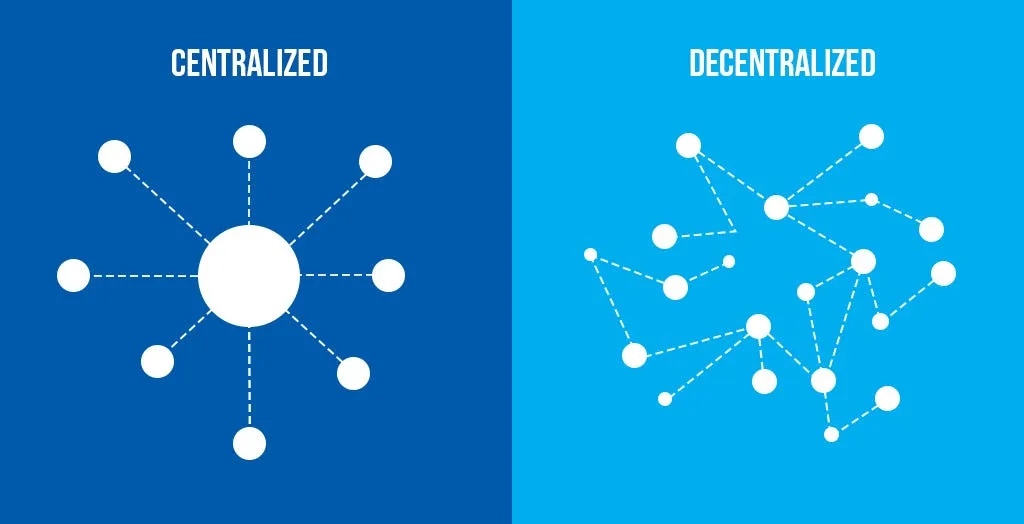
Despite the broader weakness, select tokens have diverged from the market trend. Decred, a project focused on decentralized governance and treasury autonomy, extended gains even as bitcoin struggled. The token has risen about 16 percent in the past day and is trading at its highest level since November. Over the past four weeks, it has advanced more than 80 percent following changes to its treasury rules that tightened supply dynamics and strengthened community oversight.
Artificial intelligence linked tokens have also attracted renewed interest. Internet Computer moved higher after its foundation proposed burning 20 percent of cloud engine revenue, introducing a deflationary mechanism tied directly to network usage. The remaining revenue would be distributed to node operators under a performance based model. The proposal aligns token supply more closely with demand, a narrative that resonated with investors.
Positive sentiment around AI assets was further supported by strong earnings from Nvidia, which reinforced confidence in long term artificial intelligence growth. Tokens such as Render and Bittensor benefited alongside Internet Computer as traders rotated into themes perceived as structurally aligned with AI expansion.
For now, bitcoin remains the primary barometer of market direction. Defensive derivatives positioning suggests traders are bracing for continued volatility. Yet selective strength in governance focused and AI oriented tokens highlights that capital is not exiting the sector entirely but reallocating toward specific narratives with perceived momentum and structural catalysts.