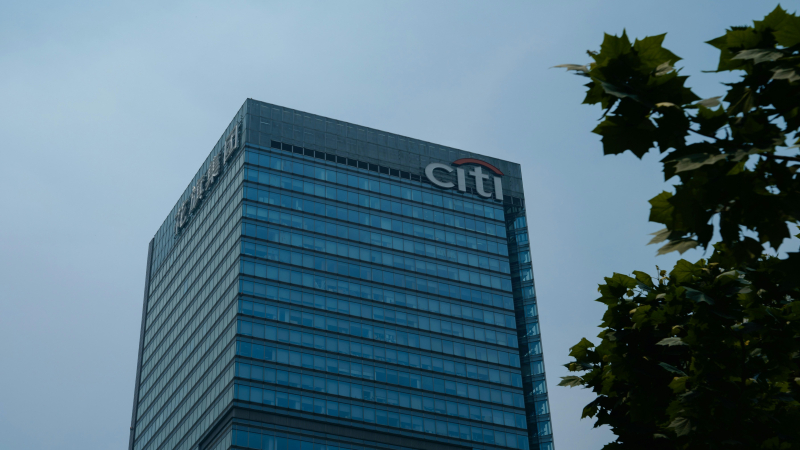
Major US banking institutions are accelerating their integration of digital assets into traditional finance, with Citigroup and Morgan Stanley expanding bitcoin custody, trading and tokenization initiatives aimed at institutional and wealth management clients.
Citigroup plans to roll out institutional bitcoin custody later this year, embedding the cryptocurrency into the same custody, reporting and tax frameworks it uses for equities, bonds and cash. The move reflects growing demand from large investors who want exposure to bitcoin without managing private keys, wallets or complex blockchain infrastructure independently.
According to senior executives overseeing the buildout, Citi’s approach focuses on making bitcoin function like any other bankable asset. Clients will be able to hold digital assets within a unified safekeeping account structure that also includes US Treasuries, foreign bonds and tokenized money market funds. Bitcoin balances will flow through the same reporting channels and compliance systems already used for traditional portfolios.
The bank also aims to enable cross margining between crypto and conventional assets. By housing multiple asset classes within a single custody framework, institutional investors could potentially use digital holdings as collateral alongside securities in broader trading or financing strategies. Citi is adapting internal systems to support around the clock operations, reflecting the continuous nature of blockchain based markets.
Morgan Stanley is pursuing a parallel expansion across trading, custody and product development. The firm has recently filed for exchange traded products tied to bitcoin, ether and solana, while also preparing to offer spot crypto trading to eligible clients on its E Trade platform. In addition, the bank is evaluating lending and yield opportunities linked to digital assets.
Executives at Morgan Stanley have emphasized the need to build digital asset infrastructure internally rather than relying solely on external providers. The firm oversees trillions in client assets and sees digital asset integration as a long term structural shift rather than a temporary trend.
The push from both banks mirrors a broader transformation across Wall Street. Institutional investors have increasingly requested crypto exposure through regulated financial institutions, especially after the launch of US spot bitcoin exchange traded funds and growing clarity around custody standards.
At the same time, legacy infrastructure is being upgraded to accommodate 24 hour markets. Citi has already deployed blockchain based internal cash transfer systems and is expanding support for continuous settlement models. Traditional exchanges are also exploring extended trading hours and tokenized asset venues to match the global and nonstop nature of digital markets.
As large banks integrate bitcoin into mainstream custody and trading operations, the distinction between traditional finance and digital asset markets continues to narrow. The latest initiatives from Citi and Morgan Stanley suggest that crypto is steadily moving from the margins of finance into its core operational frameworks.