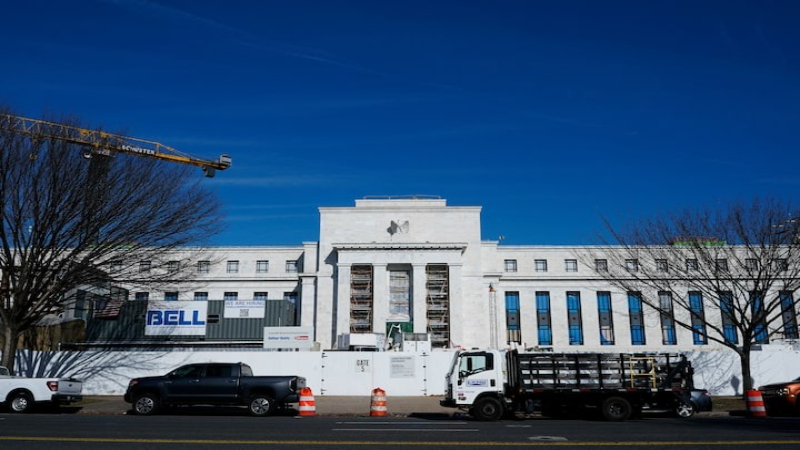
The latest Federal Reserve minutes injected fresh volatility into today’s macro cycle after revealing that last month’s rate cut was approved despite unusually sharp disagreement inside the central bank. The document showed that many officials supported lowering the federal funds target, yet several voiced strong concern that easing too quickly could derail progress toward the two percent inflation goal. The tone of the debate stood out because inflation has remained above target for more than four years, and committee members worried that further reductions might send the wrong signal to markets at a time when expectations are extremely sensitive. The minutes also highlighted how the lack of official data, caused by the government shutdown, forced policymakers to rely on alternative inputs as they evaluated risks in employment, equity markets and broader investment behavior. One of the points drawing attention across trading desks was the warning about a possible disorderly drop in stock prices if investor confidence in artificial intelligence linked assets shifted too abruptly.
The voting breakdown underscored the intensity of the discussion. The committee approved the quarter point cut to a range of three point seventy five to four percent with a ten to two vote, but the dissents came from opposite ends of the policy spectrum, hinting at confusion about the near term trajectory. Some officials argued that maintaining higher rates longer would guard against inflation hardening, while others believed that loosening further could support a weakening job market. Fed Chair Jerome Powell emphasized in his post meeting remarks that the December meeting was not locked into another cut, breaking from the typical cautious tone and reinforcing the sense that the committee is divided. These minutes described policymakers falling into three camps ahead of December: those expecting another reduction, those preferring to wait and those who had already ruled it out. That fragmentation pushed investors to reprice expectations, cutting the odds of a December cut from near certainty to a much more uncertain split.
The minutes also showed how the absence of official jobs and inflation data contributed to a more defensive positioning inside the Fed. Participants acknowledged that limited visibility made it harder to justify a clear direction, especially with two sided risks appearing more balanced than earlier in the year. Some members emphasized that easing too quickly could embed higher inflation expectations, while others pointed to weakening labor indicators and potential stress emerging from sectors tied to interest sensitive spending. Market reaction reflected the policy uncertainty, with traders recalibrating their short term forecasts as they weighed how the central bank might behave if fresh data arrives before the next meeting. The broader takeaway is that the Fed is entering a phase where internal debate may shape market expectations as much as economic data itself. With inflation still elevated and the economy sending mixed signals, investors are bracing for a policy path that may be louder, more divided and more data dependent than anything seen in the past year.