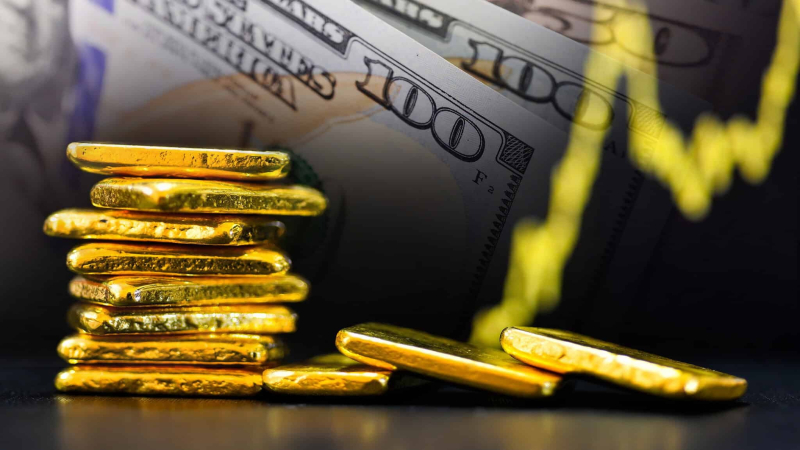
Gold surged above $4,000 per ounce this week, regaining ground after October’s volatility as global markets react to persistent inflation and geopolitical tension. The rally followed a sharp two-day selloff that pushed bullion to multi-month lows before rebounding to $4,159 on October 22. Gold is now up nearly 60 percent this year, supported by demand from both investors and central banks seeking safety in an unstable financial climate.
The World Gold Council notes that global investors are moving capital into gold-backed assets as trade disputes and slowing growth weigh on major currencies. Central banks have played a pivotal role in driving demand, signaling continued faith in bullion as a reliable reserve asset. The People’s Bank of China remains the most active buyer, adding about 39 tons over 11 straight months. Poland, Azerbaijan, and Kazakhstan have also increased holdings, while Turkey, Cambodia, and the Czech Republic expanded reserves. Only a few, including Uzbekistan, Singapore, and Russia, were net sellers this year.
Analysts highlight that Beijing’s gold accumulation reflects a defensive strategy against possible yuan devaluation ahead of the November 10 expiration of the current tariff truce with Washington. Market experts suggest that tensions between the United States and China have become a barometer for gold’s performance. A resolution to ongoing disputes could lead to price normalization, though most forecasts remain bullish.
Elsewhere, escalating conflicts in the Middle East and Ukraine continue to amplify safe-haven demand. Global economists point out that political instability and inflation fears are encouraging central banks to diversify away from the U.S. dollar. Major financial institutions expect that if uncertainty persists, gold prices could average above $5,000 per ounce by late 2026.
The combination of sustained central-bank buying, softening dollar sentiment, and elevated market risk has strengthened gold’s position as a long-term hedge against volatility. Traders are watching upcoming policy decisions closely to gauge whether monetary adjustments or improved trade relations might stabilize global markets.
In summary, the latest gold rally underscores a broad shift in reserve strategy. Central banks appear determined to fortify their holdings and preserve value amid an unpredictable economic landscape, keeping gold firmly at the center of global financial strategy.