
Why Neutrl Paused NUSD Redemptions
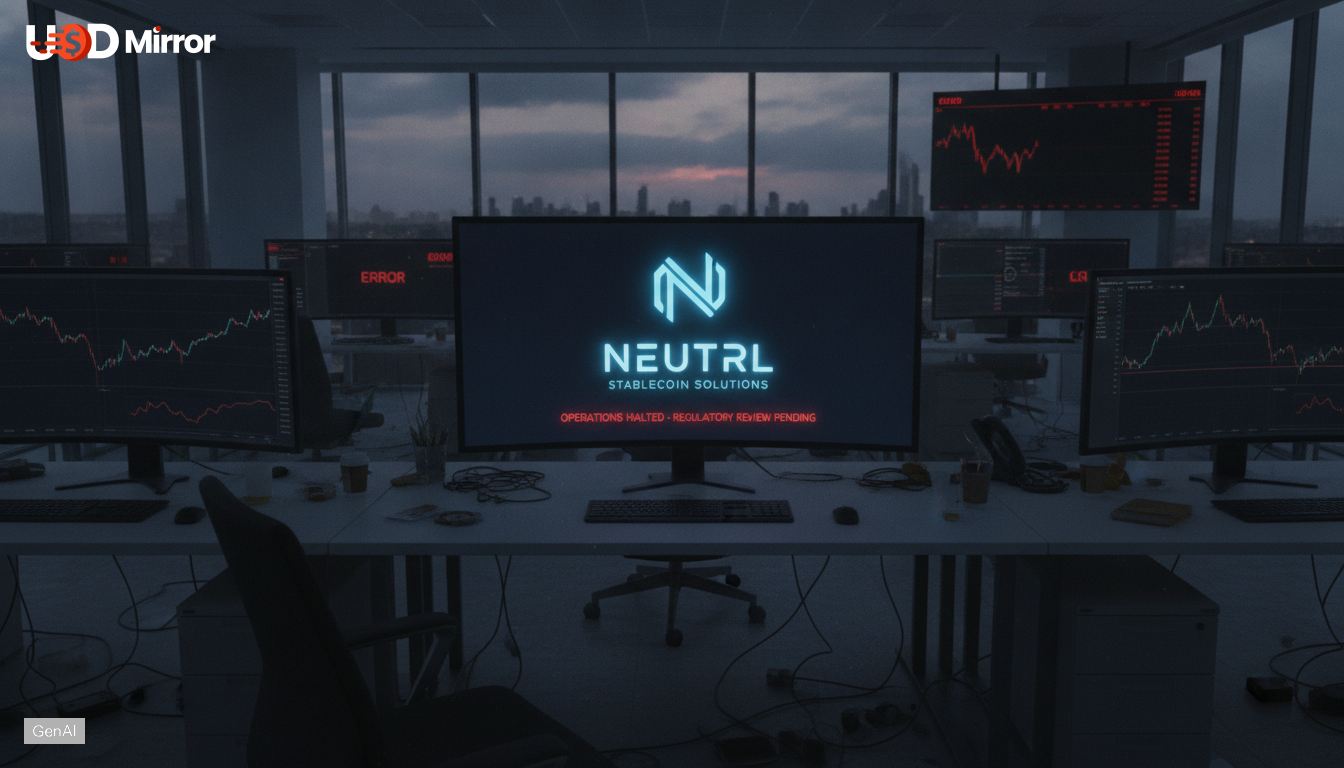
NUSD redemptions have reportedly been paused after Neutrl identified an issue affecting reserves backing the stablecoin. Neutrl describes the halt as temporary while reviewing custody, settlement, and verification processes linked to backing assets. This shift impacts how holders exit at par, because issuer-led redemptions typically support stablecoin price stability during market stress. Neutrl plans to publish more details post-review and notify counterparties. Secondary market trading may continue, but price dislocations are possible until redemptions resume, according to available reports from Neutrl’s statements.
Impact on Integrations and Counterparty Risk
For exchanges, wallets, and payment apps using NUSD, the redemption pause can turn routine workflows into counterparty-risk events. Neutrl advised partners to reassess exposure limits, especially where NUSD is collateral or used in automated strategies. This highlights why integrations often demand frequent attestations and legal claims on reserves, although requirements vary by venue. For more context on oversight, see Crypto regulations: CFTC and SEC advance rule path. When redemption windows close, arbitrage routes can weaken, and price gaps may widen, affecting liquidity and risk controls.
Market Reaction and Stablecoin Implications
The pause comes as stablecoins move deeper into traditional finance, prompting scrutiny on reserve holding, valuation, and audits. Neutrl has not disclosed details on impacted reserves, leading markets to price uncertainty rather than a clear shortfall. In similar situations, as discussed by CoinDesk in tokenization stocks and SEC delay analysis, liquidity often shifts to more transparent instruments, and risk premia may rise for tokens with opaque backing. Lending venues accepting NUSD may raise haircuts or suspend borrowing, potentially increasing volatility. Policy uncertainty can add stress during issuer disruptions, according to available market observations.
What Analysts Seek in Reserve Disclosures
Analysts focus on control, enforceability, and how quickly assets can be realized in adverse conditions, rather than just asset labels. They differentiate between cash equivalents, government bills, and volatile instruments. Without full reserve details, attention shifts to valuation, custody, lien status, or settlement timing. Related themes appear in SEC Clears Path for Franklin Templeton onchain investments and MUFG Tests Onchain Bond Transactions for Japan Repo Trades. Onchain proof can reduce uncertainty but does not replace legal clarity.
Next Steps for Neutrl and NUSD Holders
Neutrl’s progress depends on publishing documentation that restores confidence without affecting user rights or operations. They are reviewing processes for further communication, but markets tend to evaluate progress through tangible outcomes like reserve breakdowns and custody confirmations. If Neutrl shows backing assets remain accessible, liquidity might normalize, though spreads could remain wider until regular redemptions resume. For holders, the core issue is redemption reliability and Neutrl’s evidence regarding NUSD. Any deeper weaknesses might prompt platforms to restrict NUSD use, even if trading continues.