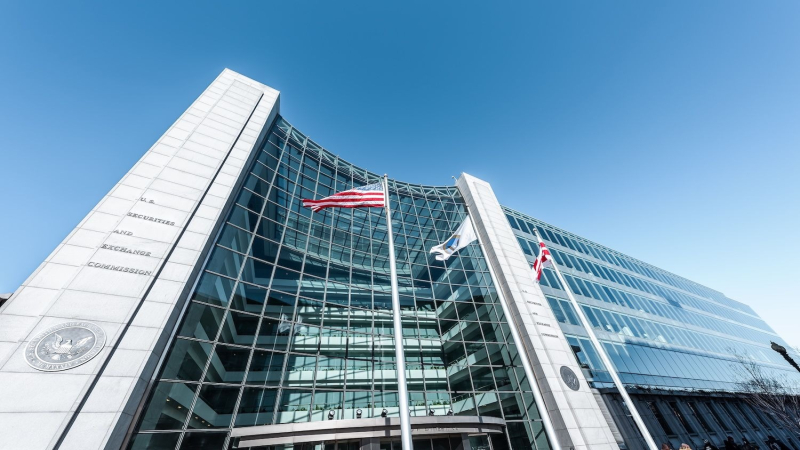
U.S. securities regulators are signaling that tokenization does not provide a regulatory shortcut for issuers or intermediaries seeking to repackage traditional financial instruments on blockchain networks. In a staff statement released this week, officials said tokenization alters the technical format of a security but leaves its legal identity intact under federal securities laws. Stocks, bonds, or funds represented onchain remain subject to the same issuance, disclosure, and reporting requirements that apply offchain. Regulators said the guidance is intended to clarify expectations as tokenized securities move from experimental pilots toward broader commercial use, particularly within regulated financial markets seeking faster settlement and extended trading access.
The statement defines tokenized securities as instruments already captured by the legal definition of a security, presented as crypto assets with ownership records maintained wholly or partially through blockchain networks. Regulators emphasized that simply shifting recordkeeping to an onchain environment does not alter the responsibilities of issuers or market participants. In issuer-led tokenization models, companies link blockchain transfers directly to official shareholder records, effectively replacing traditional databases while preserving identical legal duties. Even where tokens operate as triggers for offchain ownership updates, the underlying security remains governed by existing securities frameworks, with blockchain acting as an operational layer rather than a legal transformation.
Regulators drew a sharper distinction around third-party tokenization models, where entities unaffiliated with the issuer create crypto assets tied to existing securities. These structures were described as more complex and potentially riskier for investors, particularly when token holders face exposure to the financial condition or insolvency of the third-party sponsor. The guidance outlined common approaches, including custodial models where tokens represent indirect entitlements, and synthetic structures that mirror price exposure through separate instruments resembling security-based swaps. In such cases, regulators warned that additional compliance requirements may apply, especially when products are offered to investors who do not meet eligibility thresholds under existing market rules.
The guidance arrives as asset managers and market infrastructure firms explore tokenized securities within regulated environments. Recent filings seeking approval to record ownership of tokenized fund shares on permissioned blockchains underscore growing interest in achieving faster settlement and continuous market access without dismantling investor protections. Regulators framed the statement as a compliance roadmap rather than an endorsement, urging firms to engage early as they prepare registrations or proposals. The message to markets was clear: tokenization may modernize infrastructure, but it does not rewrite the legal foundation of U.S. securities regulation.