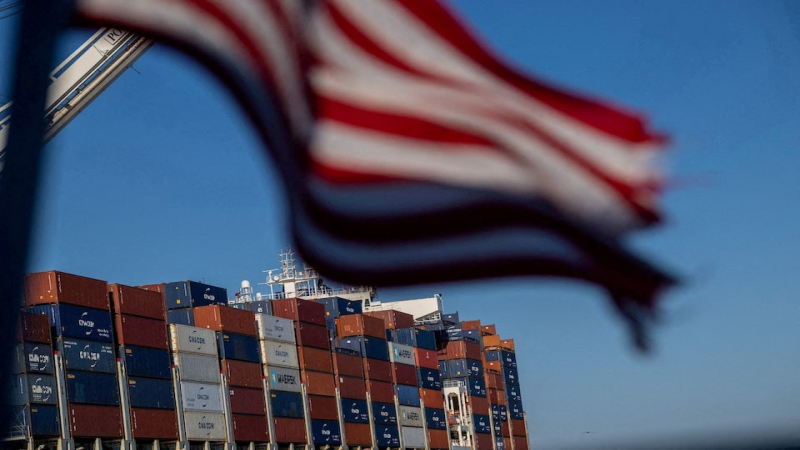
A legal case now before the U.S. Supreme Court could redefine how presidents use emergency powers to impose tariffs, potentially reshaping U.S. trade law for decades. The case revolves around whether Donald Trump’s administration acted within its authority when using the International Emergency Economic Powers Act, or IEEPA, to levy sweeping import tariffs without explicit approval from Congress. The administration’s lawyers are leaning on an unlikely ally: an Obama-appointed judge whose earlier opinion supports the broad interpretation of presidential powers.
Judge Richard Taranto, appointed by former President Barack Obama, previously argued in a dissenting opinion that IEEPA provides the president wide latitude to act on foreign economic matters during emergencies. That dissent has become a key reference for Trump’s legal team as they defend the administration’s tariff decisions in front of the Supreme Court. Critics of the tariffs argue that IEEPA was designed for national security and sanctions cases, not for massive import taxes that reshape international trade. They say such sweeping actions fall under the “major questions doctrine,” a legal principle requiring Congress to clearly authorize major economic policies.
If the court agrees with the Trump administration, it would dramatically expand executive authority in U.S. trade matters. Such a ruling would allow future presidents to impose large-scale tariffs without congressional approval, a move that could alter how markets, investors, and foreign governments respond to American economic policy. Analysts warn that this could inject new uncertainty into global trade dynamics while strengthening the presidency’s hand in economic negotiations.
Supporters of the administration say flexibility is needed in fast-changing global markets where trade disputes often move faster than Congress can respond. Opponents counter that granting unchecked tariff powers risks politicizing trade and weakening the balance of powers set by the U.S. Constitution. The stakes are high not only for the White House but also for businesses and trading partners that depend on predictable tariff frameworks.
The Supreme Court’s decision will determine whether future presidents can unilaterally impose tariffs under emergency powers or if such actions must return to congressional oversight. Its ruling could reshape the balance between executive authority and economic governance in global trade.