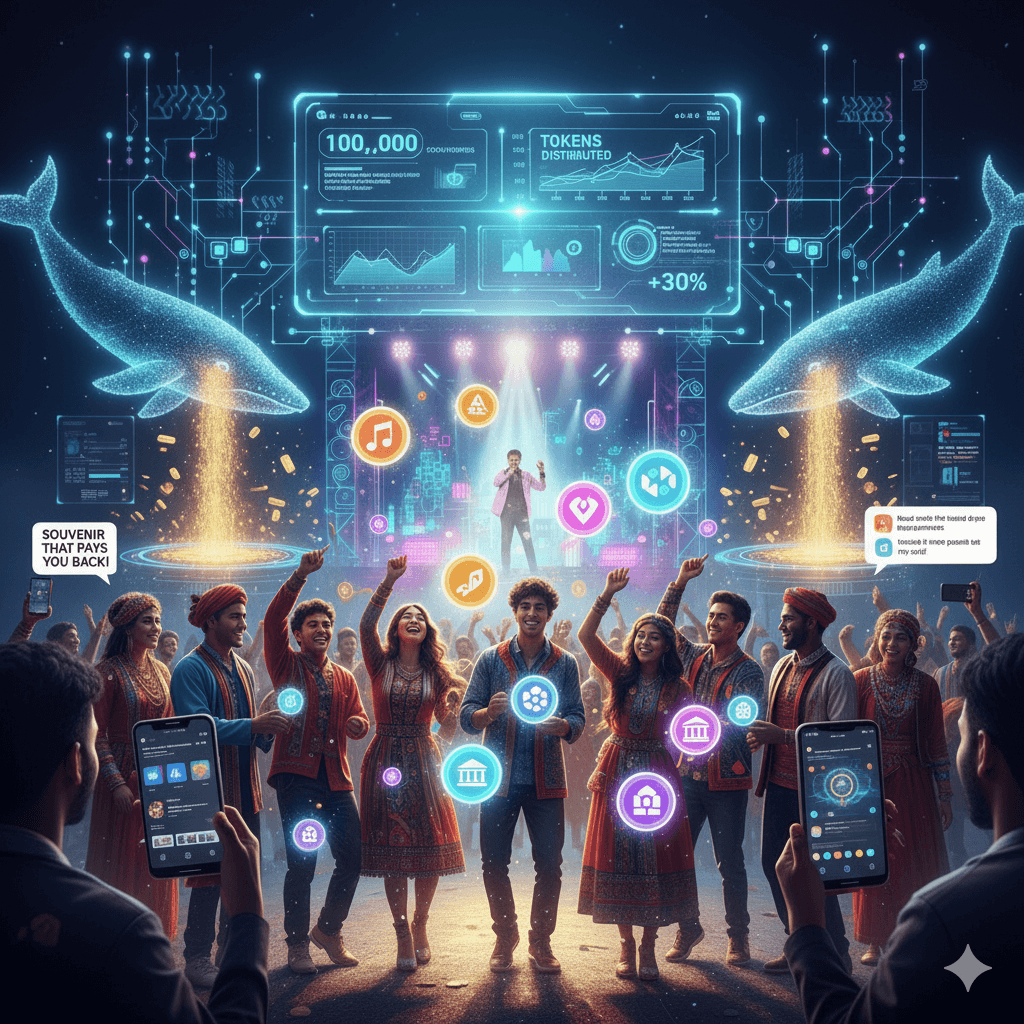
Musicians bypass labels with blockchain-powered royalties.
A Revolution in Music Monetization
In 2025, the music industry will be disrupted by tokenized music rights. Artists are increasingly using blockchain platforms to tokenize ownership of their songs, granting fans and investors the ability to purchase fractions of royalties. This model bypasses traditional intermediaries like record labels and publishers, giving musicians direct access to revenue streams. For creators long frustrated by opaque contracts and delayed payments, tokenization represents both financial freedom and cultural empowerment.
Why Tokenization Appeals to Artists
The traditional music industry often leaves artists with only a fraction of the revenue generated by their work. Contracts with record labels and streaming platforms funnel most of the profits to middlemen. Tokenized rights solve this by putting ownership and payment flows directly on-chain. Smart contracts automatically distribute royalties in real time whenever a song is streamed, downloaded, or licensed. This transparency appeals to artists who want both control and fairness.
Retail Fans Become Investors
Retail fans are central to the trend. Tokenized rights allow listeners to invest directly in their favorite songs, creating new forms of engagement. On TikTok and Discord, communities rally around buying shares of tracks from emerging artists, treating it as both cultural support and a financial opportunity. Memes describe fans as “co-owners of the beat,” blending entertainment with investment. This dynamic turns music into a participatory economy where culture and finance collide.
Whales and Labels Adapt
Whales are entering the market as early backers of tokenized catalogs. Large wallets purchase significant stakes in hit songs, betting on long-term streaming revenues. Some traditional labels, recognizing the shift, are experimenting with partial tokenization of their libraries to retain relevance. By blending traditional rights management with blockchain, they hope to appeal to younger, digitally native audiences while protecting their existing assets.
AI Dashboards Amplify Adoption
AI dashboards are playing a key role in making tokenized music rights mainstream. Push notifications track royalties earned per day, ownership transfers, and the rise of trending tracks. Screenshots of these alerts circulate widely across social media, turning dry royalty numbers into viral cultural moments. For retail fans, dashboards validate their participation as investors, while for artists, they showcase transparency never before possible in the industry.
Institutions Explore Partnerships
Institutions are cautiously entering the space through partnerships with music platforms and fintech startups. Some venture firms are funding tokenized rights marketplaces, while streaming services are piloting integrations with blockchain payment rails. Universities and music academies are beginning to teach tokenization as part of their curriculum, preparing the next generation of artists for an era where financial literacy is as important as musical talent.
Cultural Narratives of Independence
Culturally, tokenized music rights are framed as liberation from an exploitative industry. Memes portray blockchain as a lifeline saving artists from drowning in unfair contracts. Influencers highlight success stories of independent musicians funding careers through token sales, inspiring others to follow. For Gen Z, supporting tokenized rights aligns with values of authenticity and independence, making participation as much ideological as financial.
Risks and Concerns
Despite the enthusiasm, risks remain. Tokenization platforms vary in quality, and not all are transparent about how royalties are tracked. Some projects overpromise potential returns, creating the risk of disappointment or scams. Regulatory uncertainty looms as well, with authorities debating whether fractionalized royalties qualify as securities. Analysts warn that without clear oversight, adoption could outpace safeguards, leaving retail fans vulnerable.
Global Reach of Tokenized Rights
The trend is spreading globally. In Africa and Latin America, tokenized rights are empowering local artists who lack access to international labels. In Asia, fans are pooling funds to back K-pop groups through tokenized royalty models. These examples show how tokenization is not only democratizing revenue but also globalizing participation, ensuring artists anywhere can reach investors and audiences worldwide.
Conclusion
Tokenized music rights are redefining the relationship between artists, fans, and revenue in 2025. Musicians bypass labels to access direct income, retail fans become co-investors, whales and labels adapt, and AI dashboards amplify transparency. Institutions cautiously experiment while cultural narratives frame tokenization as independence. Risks remain, but the global momentum is undeniable. By blending creativity with finance, tokenized rights are transforming music into an ecosystem where ownership and culture are shared, accessible, and transparent.